Our Products
Humidity Control Systems
Humidity Control Systems
HUMIDITY CONTROL SYSTEMS
Humidity control in cold storage is two-fold. While it is necessary to remove humidity for some products, increasing the humidity level is vital, especially for fresh fruits, vegetables, and certain industrial processes. Humidification devices are among the most critical pieces of equipment that prevent products from drying out by losing water and weight (shrinkage).
HUMIDIFICATION
Humidification Systems: Preserve the Freshness and Weight of Your Products.
For some products, cold air alone is not enough; when the correct humidity level is not provided, products "breathe" and lose their internal water. Our industrial humidification devices bring the air in your warehouse to ideal saturation, ensuring that your products maintain the freshness, brightness, and weight they had the moment they were harvested.
WHY SHOULD A HUMIDIFICATION SYSTEM BE USED?
-
Preventing Weight Loss (Shrinkage): Fruits and vegetables lose weight by losing water. Correct humidification minimizes this loss, directly increasing your profitability.
-
Extending Shelf Life: The market value of products that wither and wrinkle in dry environments decreases. Humidification keeps the cellular structure of the product vibrant.
-
Visual Quality and Freshness: It prevents yellowing, especially in leafy greens, and preserves the skin brightness of fruits.
-
Preventing Static Electricity: In some industrial storage areas (paper, textile, etc.), it ensures occupational safety by preventing static electricity caused by dry air.
HUMIDIFICATION TECHNOLOGIES USED IN COLD STORAGE
-
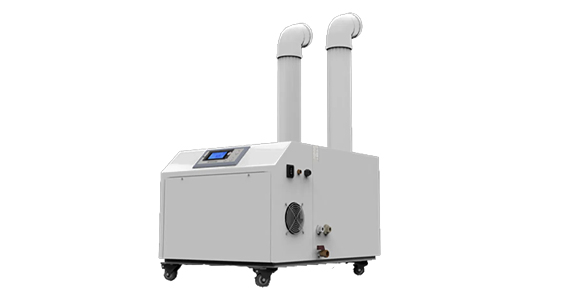
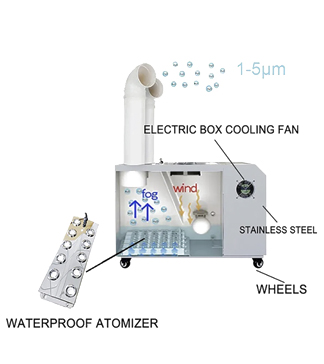
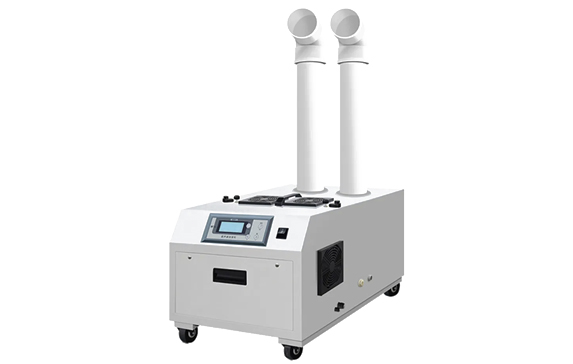
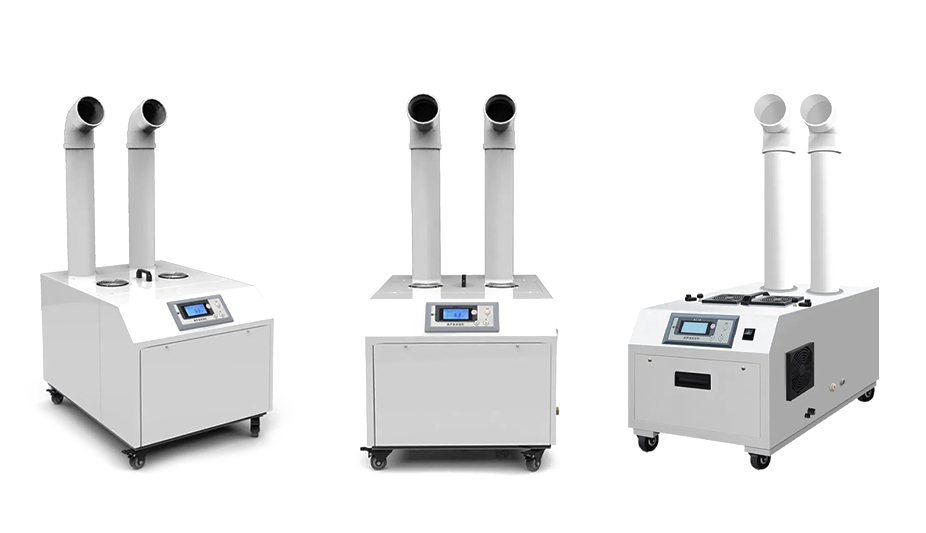
Ultrasonic Humidifiers: These systems evaporate water using high-frequency sound waves to produce "cold mist." They produce very small water droplets (1-5 microns) that stay suspended in the air and increase humidity without leaving wetness on the products. Areas of use: Sensitive fruits, mushroom production facilities, and laboratories.
-
High-Pressure Misting Systems: These create a fog cloud by spraying water through very fine nozzles using high-pressure pumps. They provide fast and economical humidification in large-volume warehouses. Areas of use: Large fruit/vegetable markets, cheese ripening rooms, and paper warehouses.
IDEAL HUMIDITY LEVELS (RH)
Green Vegetables; %90 - %95 completely stops withering and yellowing.
Apples, Pears, Quince; %85 - %90 prevents skin wrinkling and maintains firmness.
Cheese Ripening; %80 - %90 balances rind formation and prevents cracking.
Red Meat (Fresh); %85 prevents surface drying and color change.
Mushroom Facilities; %95+ creates a natural ecosystem for mushroom growth.
DEHUMIDIFICATION
Dehumidification Devices: Dry and Healthy Storage Conditions.
High humidity in cold storage leads to mold growth, softening of packaging, and excessive frosting on equipment. With our professional dehumidification solutions, we stabilize the relative humidity (RH) in your warehouse at the desired level to create ideal storage conditions.
WHY SHOULD A DEHUMIDIFIER BE USED?
-
Mold and Bacteria Prevention: High humidity creates a suitable environment for microorganisms. Dehumidifiers maintain hygiene standards.
-
Reducing Frost and Ice: As humidity decreases, the rate of icing on evaporator coils drops, resulting in fewer defrost cycles and lower electricity consumption.
-
Product and Packaging Protection: Prevents cardboard boxes from softening, labels from falling off, and products (such as seeds, nuts, or medicine) from spoiling due to moisture.
-
Occupational Safety: Eliminates risks such as slippery floors and dripping by preventing condensation (sweating) on floors and ceilings.
DEHUMIDIFICATION TECHNOLOGIES
-
Condensation (Compressor) Dehumidification: Generally used in positive cold rooms (+4°C and above). It works by cooling the air until the moisture condenses and is discharged as water.
-
Desiccant (Rotor) Dehumidification: Since it is difficult to condense moisture in low-temperature rooms (0°C and below), moisture is absorbed by a special desiccant wheel (silica gel rotor). This is the most effective solution for frozen storage and shock freezing facilities.
AREAS OF USE AND HUMIDITY NEEDS
-
Nuts and Seeds: 45% - 55% (to maintain freshness and prevent mold).
-
Medicine and Medical Supplies: 35% - 50% (to prevent chemical degradation).
-
Meat Processing Areas: 50% - 60% (to prevent fogging and ensure hygiene).
-
Chocolate and Confectionery: 40% - 50% (to prevent fat bloom and sticking).
-
Cold Logistics Corridors: Below 50% (to stop icing and fogging at door transitions).